Why Chilean Patagonia Is One of the Best Places to Photograph Wild Pumas
Jennifer Hadley
04/11/2026
Tourism News | Destinations
From the open landscapes of Torres del Paine to private estancia access, Chilean Patagonia offers exceptional opportunities for wild puma photography. Jennifer Hadley Photography's specialist trips show how photographers can experience these encounters on foot, supported by experienced local guides and trackers.
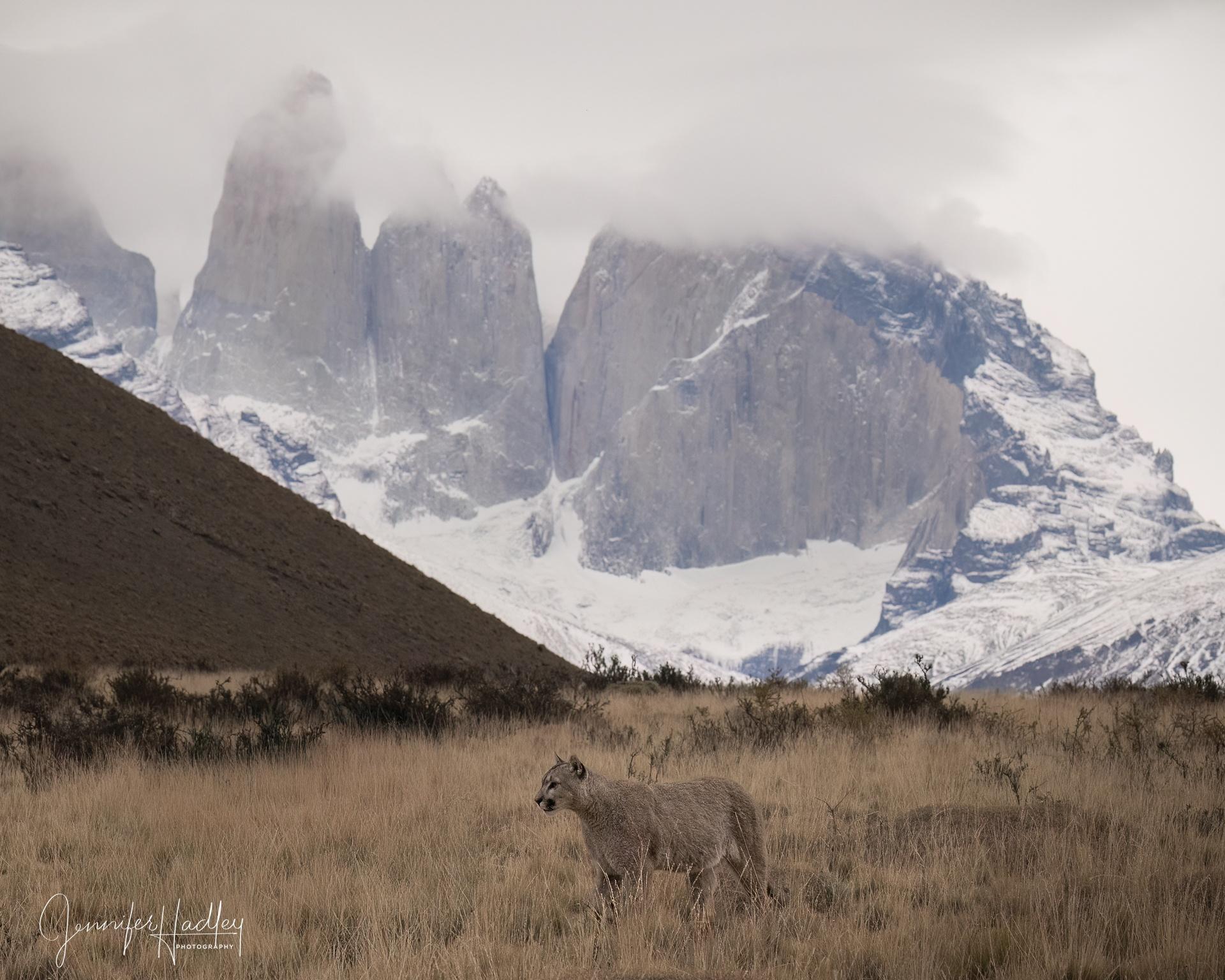
Unlike wildlife destinations where dense vegetation can make animals difficult to observe, the open steppe, rocky hills and broad valleys around Torres del Paine provide opportunities to photograph pumas within their surrounding landscape. These conditions are particularly valuable for wildlife photographers interested in capturing natural behaviour, movement and environmental compositions rather than relying exclusively on close-up portraits.
The region's dramatic scenery adds another dimension to the experience. Granite mountains, glacial lakes and expansive valleys create opportunities for landscape photography alongside wildlife encounters. Changing light throughout the day can transform both the appearance of the landscape and the photographic possibilities, particularly during early morning and late afternoon.
One of the important considerations when choosing where to photograph wild pumas is the difference between visiting a national park and accessing surrounding private land. Torres del Paine National Park offers extensive scenery and wildlife habitats, while certain private estancia areas provide additional opportunities for guided puma tracking and photography. Access to these properties depends on arrangements and permissions, making it an important detail for photographers comparing specialist tours.
Jennifer Hadley Photography incorporates both environments into its Pumas of Patagonia trips, using special permits to access private estancia land surrounding Torres del Paine.
Photographers initially travel with experienced local guides and a dedicated tracker who scouts for pumas in a separate vehicle. Once the animals are located, the group heads out on foot to photograph them, sometimes following their movements across the landscape.
This approach distinguishes specialist puma photography tours from more conventional wildlife viewing. Working on foot allows photographers to observe pumas at ground level and explore compositions that include the animal's natural surroundings. It also requires careful field guidance, patience and respect for wildlife behaviour, particularly when the animals are moving through their habitat.
Local knowledge plays a significant role in these encounters. Pumas move freely across the landscape, and understanding their behaviour and movements helps experienced guides identify where to search. Jennifer Hadley Photography works with local specialists whose experience includes guiding wildlife documentary teams, supported by a dedicated tracker who scouts ahead to help locate photographic opportunities.
For photographers researching puma photography in Patagonia, the amount of time dedicated to the animals is another consideration. An itinerary that includes Torres del Paine as part of a wider sightseeing holiday differs from a trip specifically organised around tracking and photographing pumas. Multiple days in the field provide more opportunities to encounter different lighting conditions, observe behaviour and respond to the unpredictable nature of wildlife photography.
Group size and photographic instruction also influence the experience. Smaller groups allow guides to work more closely with participants, while photographers benefit from individual guidance on camera settings, composition and anticipating wildlife movement. These practical differences are particularly relevant for travellers comparing dedicated wildlife photography tours with general guided sightseeing experiences.
Photographers should also consider the physical requirements of on-foot puma photography. Although local guides and trackers help locate the animals, reaching photographic positions may involve walking across brushy terrain and hills while carrying camera equipment. Following pumas can sometimes involve several kilometres of walking, making a reasonable level of fitness an important part of preparing for this type of experience.
Beyond pumas, Torres del Paine and its surroundings offer additional wildlife photography opportunities. Guanacos, foxes, condors, owls, caracaras and Magellanic woodpeckers are among the species photographers may encounter. The combination of wildlife and mountain landscapes makes the destination relevant to photographers interested in a broader range of subjects, even when pumas remain the primary objective.
For travellers considering a dedicated puma photography tour, Jennifer Hadley Photography offers an eight-day Pumas of Patagonia itinerary from 10–17 March 2027. The trip includes five full days focused on tracking and photographing wild pumas, with participation limited to five guests. The small-group format allows for personalised photography guidance, supported by local guides, a dedicated tracker and access to private estancia land.
The trip begins in Port Natales before continuing into Torres del Paine, where photographers spend their days searching for pumas and exploring the surrounding landscape.
Accommodation, meals, professional guides, park passes, private land access and transfers are included, with prices starting at USD $10,800 per person in shared accommodation.
For wildlife photographers and specialist travel planners, Chilean Patagonia offers a combination of natural habitat, photographic access and guiding expertise worth considering when choosing where to photograph wild pumas. While wildlife sightings can never be guaranteed, understanding the differences between national park access, private estancia permissions, local tracking support and dedicated time in the field can help travellers select an experience suited to their photographic goals.
About Jennifer Hadley Photography
Jennifer Hadley Photography offers small-group wildlife photography tours and workshops in destinations including Patagonia, Alaska, India and Zambia. Led by wildlife photographer Jennifer Hadley, the experiences focus on ethical wildlife encounters, personalised photography instruction and observing animals in their natural habitats. Working with experienced local guiding teams, the trips are designed for photographers and wildlife enthusiasts seeking meaningful time in the field.
Submitted On Behalf Of
Company: Jennifer Hadley Photography
Media Contact
Contact Name: Jennifer Hadley Photography
Contact Number: +17039276022
Contact Email: info@jenniferhadleyphotography.com
Agency
Agency Name: Wildbeest Media
Republish This Article
Tourism media, tourism associations, tourism organisations and tourism bloggers may republish this article with attribution and a link back to the original source on VoyaPress.
Please do not alter the article in a way that changes its meaning. Attribution to VoyaPress and the original article URL must be retained.

Stay Up To Date
Get the latest tourism news delivered to your inbox
VoyaPress Newsletter Signup
Thank You For Signing Up.
Keep and Eye on Your Inbox
Please try again later.