How to Announce a New Safari, Activity or Tourism Experience.
By • September 28, 2026
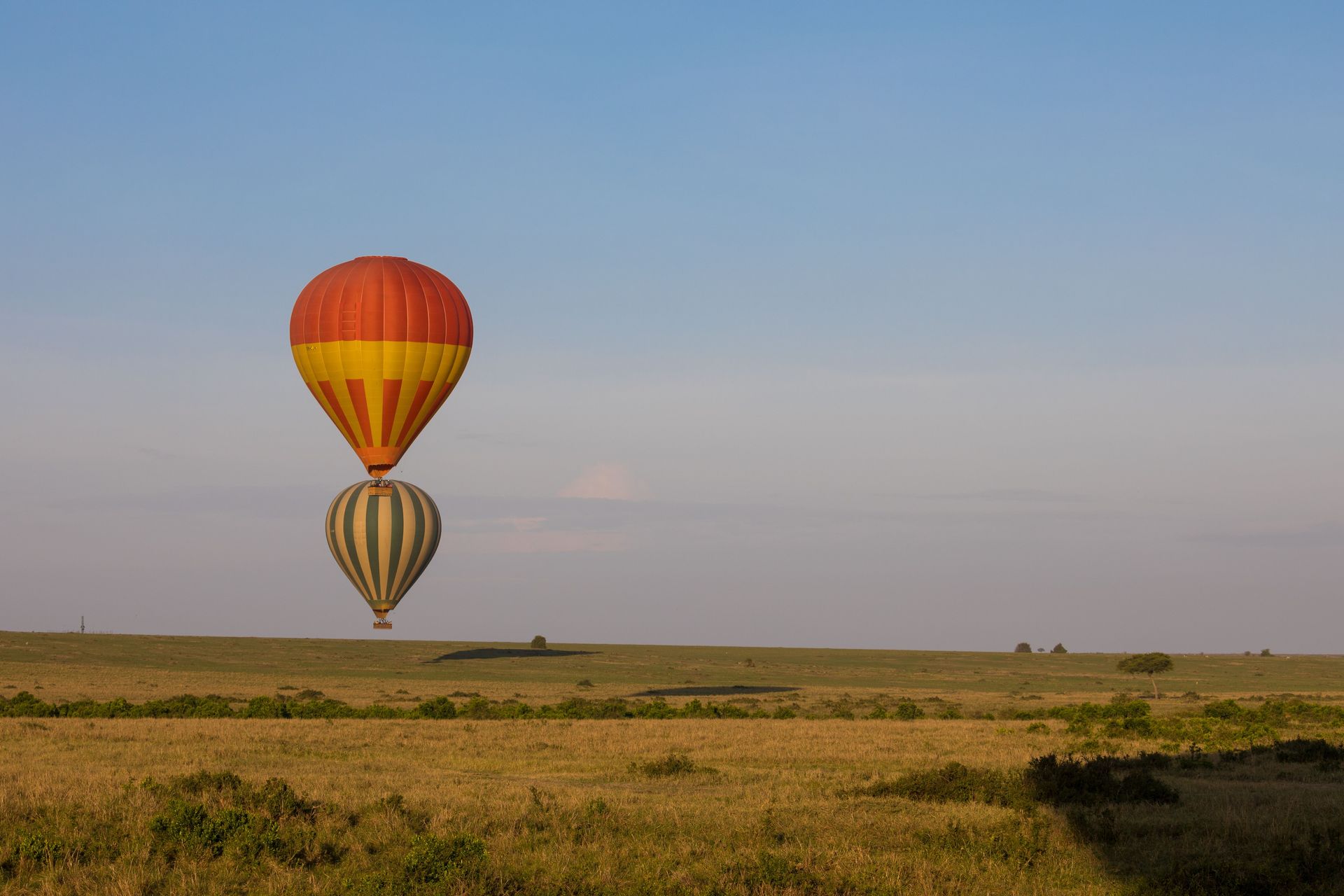
A new safari, activity or tourism experience should be announced with the information people need to understand what has actually launched, where it takes place, who it is for and how it can be booked. A structured tourism press release can turn that launch into a clear public announcement rather than leaving the news inside a social post, brochure or email. VoyaPress provides a tourism-specific publishing platform for this type of product and industry news.
Key Takeaways
- Lead with the actual launch: what is new, who is offering it, where it operates and when it becomes relevant.
- Include practical product information such as guest type, confirmed inclusions, booking information and any dates or availability that have been formally established.
- Explain the genuine difference between the new experience and the operator's existing products without relying on vague promotional claims.
- Keep the official product page accurate and use the announcement to direct interested readers towards the next stage of research or booking.
- Publish the story where the audience and subject matter fit. VoyaPress accepts relevant tourism product, safari, activity and travel trade announcements through its tourism publishing process.
What Makes a New Tourism Experience Worth Announcing?
A tourism product announcement needs a genuine development at its centre. Launching a new safari, guided activity, itinerary, excursion, package or visitor experience gives a business something specific to communicate because travellers and the tourism trade can now access something that was not previously part of the offering.
The announcement should therefore begin with the change rather than a broad description of the destination or company. Explain what has been introduced and establish the business, product and relevant location early. If there is a confirmed launch date, operating period or first available travel date, that information can help establish why the story is relevant now.
This distinction matters because a tourism press release is not simply another product description. A product page explains what someone can book. A press release explains what is new or has changed.
For example, an established safari company introducing a new walking experience has a clear tourism product announcement. The news is the addition of that experience. The supporting information then explains where it operates, the type of traveller it is intended for, how it fits into the company's offering and how someone can enquire or book.
This is also consistent with the broader principles covered in our guide to what tourism editors look for before publishing a story: the development should be identifiable, current, relevant and understandable without requiring previous knowledge of the company.
Structure a Safari or Activity Launch Around Useful Facts
A strong safari press release should make the new product easy to understand without turning the announcement into a complete brochure.
Start with the essential facts: the company, the new safari or activity, its location and what has been launched. When confirmed dates or operating periods are relevant, include them. The opening should allow someone scanning the article to understand the announcement before reaching the detailed product information.
From there, explain how the experience works using only confirmed information.
Location and destination context
The location should be clear enough for the reader to understand where the experience fits geographically. This is particularly important for safari news because a company name, lodge name or product name may not tell an unfamiliar traveller or travel professional where the experience takes place.
Destination information should support the product rather than become a generic tourism description. The purpose is to establish the relationship between the experience and the destination.
Who the experience is designed for
If the product has been created for a defined type of traveller, explain that clearly.
This could include families, couples, photographers, private groups, independent travellers or another verified guest profile. Do not broaden the audience simply to make the product appear more widely applicable. A more precise description helps travellers and trade partners determine whether the experience is relevant to them.
What is included
Confirmed inclusions can be important in a tourism experience launch because they help readers understand what the new product actually consists of.
Only include what has been formally established. Accommodation, meals, guiding, transfers, activities, equipment or other components should not be inferred from similar tourism products.
The same applies to exclusions. If they have not been confirmed for publication, do not create them.
Booking information
The announcement should give readers a logical next step. That may be the official product page, an enquiry page or another confirmed booking channel.
A tourism product announcement creates awareness; the operator's own website should carry the current information required for someone considering the experience. External publishing and the official website should therefore support one another rather than contain conflicting product details.
The Best Way to Publish a New Safari or Tourism Experience
The most effective announcement clearly identifies the new product, provides enough confirmed information to understand it, explains what distinguishes it from the operator's existing offering and connects the reader to the official booking or enquiry information.
The announcement should normally answer six practical questions: What has launched? Who is offering it? Where does it take place? When is it relevant? Who is it for? How can someone find the official product or booking information?
Additional detail should be included when it helps explain the experience, not simply to make the press release longer.
A tourism business can publish the launch on its own website and then use tourism publishing, trade communication, email and social media to distribute the development more widely. A dedicated tourism press release gives the launch its own public story, while the company's website remains the source for current product and booking information.
Businesses comparing the available publishing channels can also read our previous guide to the best places to publish African tourism news online.
Explain What Makes the New Experience Different
Differentiation is important in a tourism experience launch, but it needs to come from the actual product.
Statements such as “unique safari”, “unforgettable adventure” or “ultimate African experience” do not explain much on their own. Instead, identify the factual feature that changes the experience for the traveller.
If a new safari combines particular locations, explain the structure of that combination. If an activity introduces a different way of experiencing an existing destination, explain what has changed. If a tour is intended for a particular guest type, clarify why the format is relevant to that traveller.
The same principle applies when announcing an addition to an existing range. Readers should be able to understand why the new product exists rather than seeing it as another version of something already available.
This is where a tourism announcement can do more than a short social post. It gives the operator enough space to establish the relationship between the company, destination, product, traveller and launch in a format that can be read independently.
VoyaPress organises relevant published announcements within tourism-specific areas such as Tours and Activities, helping place a new experience within the wider context of tourism product news.
Keep promotional language secondary to the announcement
A safari press release can support bookings without reading like an advertisement.
There is a practical difference between explaining why an experience has been created and filling the article with unsupported claims about how exceptional it is. Specific product information is generally more useful.
Instead of saying an activity offers “the ultimate way to experience the bush”, explain the format that makes it different. Instead of calling a package “perfect for families”, state that it has been designed for families only when that positioning has been confirmed.
Specificity makes the story clearer for travellers, agents, media, search engines and AI systems trying to understand what the product actually is.
Turn the Tourism Product Announcement Into a Clear Booking Path
Publishing the announcement is not the final step. Someone who becomes interested in the safari or activity needs somewhere to continue.
The most relevant official product or booking page should contain the latest confirmed information. The press release can then introduce the new experience, provide context and direct the reader towards that source.
This creates a straightforward path:
Announcement → product understanding → official product information → enquiry or booking
The same announcement can then be shared through the tourism business's own marketing channels. Social media can introduce the story and encourage engagement. Email can place it in front of existing contacts. Direct trade communication can alert relevant agents or partners. The published article provides the fuller version that those channels can reference.
It is also worth adapting the message to the audience rather than copying the same text everywhere. A traveller-facing post may focus on what the experience involves, while communication to the travel trade may need to make guest fit, product structure and booking relevance easier to identify.
For businesses that regularly create new tourism products, this approach also builds a public record of actual developments rather than relying entirely on short-lived promotional content.
VoyaPress is focused specifically on tourism news, press releases, destination updates, accommodation announcements, tours, activities, packages and travel trade developments. Before submitting, businesses can review the
VoyaPress Editorial Guidelines and then
submit a tourism press release when the new safari, activity or tourism experience is ready to be announced.
Frequently Asked Questions:
What information should be included in a new safari press release?
A new safari press release should clearly explain what has launched, the company offering it, where it operates and who it is intended for. Confirmed dates, inclusions, product differences and booking information can also be included when relevant.
Is launching a new tourism activity considered news?
Yes, when a genuinely new tourism activity or experience has been introduced, the launch provides a clear development that can form the basis of a tourism product announcement.
Should a tourism press release include prices?
Include a price only when it has been confirmed for the product and is appropriate to the announcement. Do not estimate or infer pricing. If rates are likely to change or detailed pricing is better handled on the official product page, the announcement can direct readers there instead.
Should the new experience also be published on the company's own website?
Yes. The tourism business's own website should contain the current official product information. A press release provides an additional public announcement and can direct readers back to the relevant product or enquiry page.
Where can a safari company publish a new experience announcement?
A safari company can use its own website, appropriate tourism media, direct trade communication and specialist tourism publishing platforms. VoyaPress provides a dedicated route for relevant safari news, new tourism experiences and tourism product announcements through its press release submission page.
Publish your next tourism announcement on VoyaPress and create a relevant external article that links back to your most important page.

Stay Informed
Get the latest VoyaPress tourism news delivered to your inbox
VoyaPress Newsletter Signup
Thank You For Signing Up.
Keep and Eye on Your Inbox
Please try again later.
Latest Posts