Press Releases and Backlinks: Why External Links Matter for Tourism SEO


By VoyaPress June 20, 2026

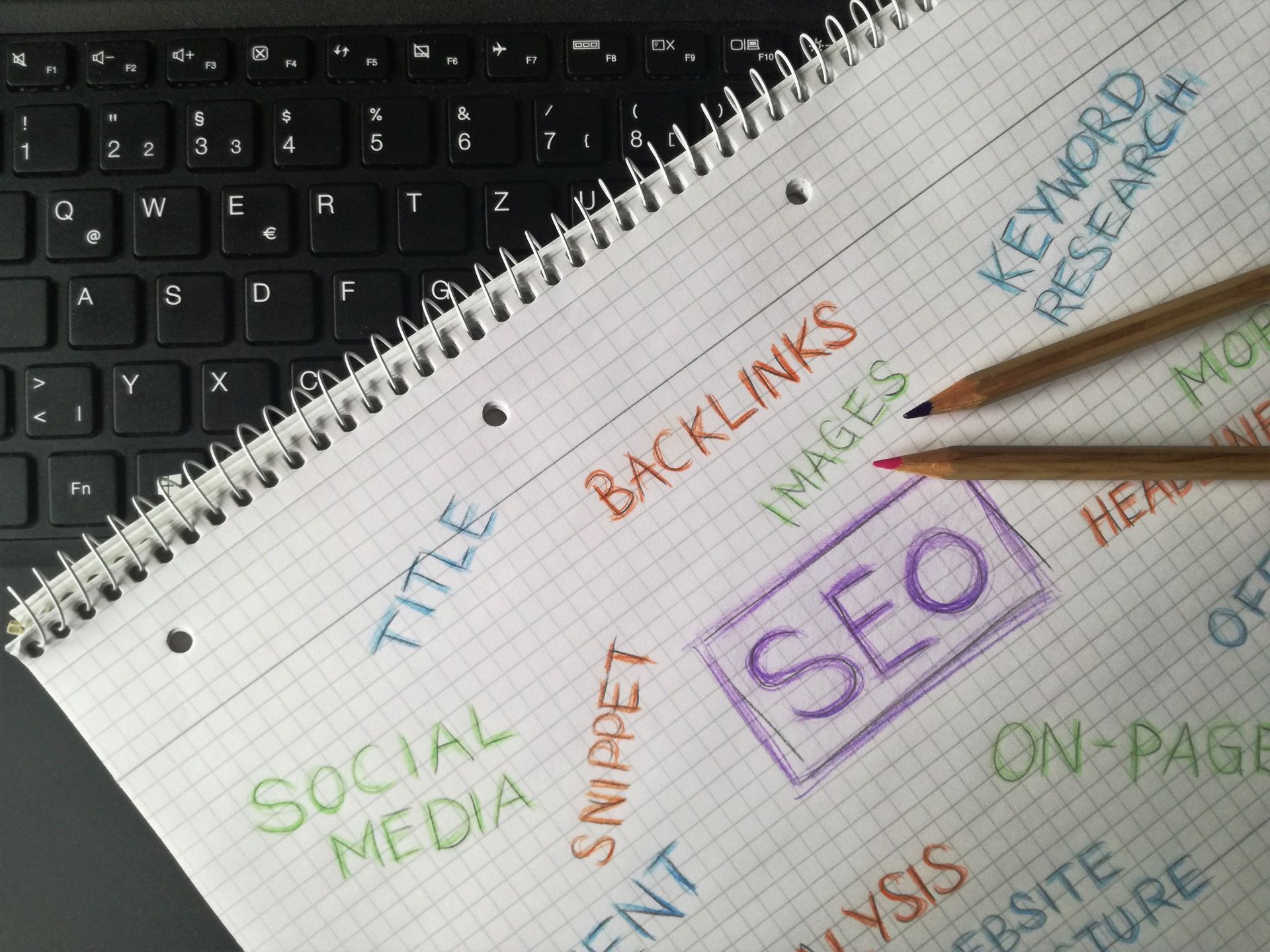
Backlinks are one of the most misunderstood parts of tourism SEO. Some businesses think backlinks are a quick trick to rank higher. Others ignore them completely and focus only on their own website.


The truth sits in the middle.


Backlinks are not magic. But they do matter.

For tourism businesses, a backlink from a relevant external article can help search engines and readers understand what your business offers, where it operates, and which pages are important.


That is one reason press releases can be useful. A well-written press release can create an external article that links back to your website in a relevant context.

What Is a Backlink?

A backlink is a link from one website to another.

For example, if VoyaPress publishes an article about a new safari package and that article links to the safari operator’s package page, that link is a backlink.

Backlinks are useful because they create pathways.

They help:

  • readers find your website
  • search engines discover your pages
  • your brand appear in more places online
  • your offer connect to relevant search topics
  • your website build external context

For tourism businesses, this can be especially important because buying decisions often involve research across multiple websites.


Why Backlinks Matter in Tourism

Tourism customers rarely book without research.

A traveller may search for:

  • best safari lodges in Limpopo
  • private tours in Cape Town
  • family-friendly safari packages
  • Garden Route retreats
  • Victoria Falls and Botswana itinerary
  • things to do near Kruger National Park
  • travel agent safari packages

They may read blogs, compare operators, check reviews, look at social media, and visit different websites before sending an enquiry.

Backlinks help place your business inside that wider research journey.

A press release can introduce your offer on an external platform and send the reader to the exact page where they can learn more.


Press Release Backlinks Should Be Relevant

Not all backlinks are equal.

A link should make sense in context.

For example, a press release about a lodge’s new honeymoon package should link to:

  • the honeymoon package page
  • the accommodation page
  • the enquiry form
  • the special offer page

It should not randomly link to unrelated pages.

Relevant backlinks are better for users and better for SEO.

The goal is not to collect links for the sake of links. The goal is to create useful connections between external content and your most important tourism pages.


Press Releases Help Support Campaign Pages

Many tourism businesses launch campaigns but only promote them through social media or email.

That means the campaign often has a short life.

A press release can extend the campaign’s reach.

For example:

A lodge launches a winter special.
The lodge creates a landing page.
A VoyaPress article announces the special.
The article links to the landing page.
The article is shared through a mailer or social media.
The release becomes an external search result connected to the campaign.

That gives the campaign more visibility than a single Facebook post.


Link to Specific Pages, Not Only the Homepage

One common mistake is linking every press release back to the homepage.

The homepage is useful, but it is not always the best destination.

A stronger SEO approach is to link to the most relevant page.

Examples:

  • New safari package → package page
  • New lodge opening → lodge page
  • Agent announcement → trade page
  • Conservation project → conservation page
  • Seasonal special → landing page
  • Event announcement → event page
  • Destination campaign → destination page
  • New service → service page

This helps users land closer to the information they need.

It also helps search engines understand which pages are connected to which topics.


Anchor Text Matters

Anchor text is the clickable wording of a link.

For example:

Click here is weak anchor text.
South Africa safari package is stronger anchor text.

The second version gives more context.

For tourism SEO, use anchor text that describes the page naturally.

Examples:

  • guided safari packages
  • family-friendly lodge accommodation
  • Cape Town day tours
  • Garden Route retreat
  • Victoria Falls itinerary
  • tourism marketing services
  • travel trade information

Avoid forcing exact keywords into every link. Keep it readable.


Press Releases Can Build a Stronger Online Footprint

A single press release is useful.

A consistent press release strategy is stronger.

Over time, a tourism business can build a searchable archive of updates around:

  • new offers
  • packages
  • trade announcements
  • destination news
  • seasonal campaigns
  • media mentions
  • partnerships
  • guest experiences
  • conservation work

This creates more online references around the brand.

For SEO, that wider footprint helps reinforce what the business is about.


Bottom Line

Press releases are a practical way for tourism businesses to build relevant external links.

They should not be treated as a backlink shortcut. They should be part of a broader SEO and distribution strategy.

When used properly, press releases can help lodges, tour operators, travel agencies, DMCs, activity providers, and destination brands link important news to important website pages.

Publish your next tourism announcement on VoyaPress and create a relevant external article that links back to your most important page.

SHARE THIS

Stay Informed

Get the latest VoyaPress tourism news delivered to your inbox

Contact Us


Latest Posts

By VoyaLink June 20, 2026
How to Distribute a Tourism Press Release After Publishing  Publishing a press release is only the first step. If your tourism business has announced a new lodge, safari package, travel offer, retreat, tour, destination campaign, conservation update, or trade partnership, the article should not sit online doing nothing. A press release becomes more valuable when it is distributed properly. That means sharing it through the right channels, linking it to the right pages, sending it to the right contacts, and using it as part of your wider tourism marketing strategy. For lodges, tour operators, travel agents, safari companies, retreats, attractions, restaurants, and destination brands, press release distribution can support SEO, backlinks, brand awareness, trade communication, and enquiries.
By VoyaPress June 20, 2026
What Counts as News for a Tourism Press Release? Many tourism businesses do not publish press releases because they think they have nothing newsworthy to say. That is usually not true. Most tourism businesses have regular updates that can be turned into useful press releases. The problem is that they do not recognise those updates as news.  A press release does not need to announce a massive company expansion or national award. It simply needs a clear reason for publication. If something has changed, launched, improved, opened, expanded, returned, or become available, it may be worth publishing.
By VoyaPress June 20, 2026
Tourism SEO is not only about writing blog posts. A strong tourism SEO strategy also includes destination pages, service pages, landing pages, listings, reviews, backlinks, brand mentions, and external content. Press releases can support that wider strategy. They give tourism businesses a way to publish news online, create search-friendly articles, link back to important pages, and build a stronger digital footprint.  For lodges, tour operators, travel agents, activity providers, retreat venues, restaurants, attractions, and destination brands, this can be valuable.
By VoyaPress June 20, 2026
A tourism press release should not read like a brochure. It should read like news. That is where many tourism businesses go wrong. They write a press release as if they are writing website copy, using vague phrases such as “hidden gem,” “unforgettable experience,” “luxury escape,” or “once-in-a-lifetime adventure.” Those phrases may work in marketing copy, but they do not create a strong press release. A good tourism press release needs a clear announcement, a specific angle, useful details, and a reason for someone to care. Start With the News Before writing, identify the actual news. Ask: what has changed? Examples of real tourism news include: a new lodge opening a new safari package launching a seasonal special becoming available a destination campaign starting a new conservation experience being introduced a tour operator expanding into a new region a travel brand partnering with agents a tourism business launching a new booking platform a new retreat or wellness experience opening for bookings Weak angle: “Our lodge offers unforgettable safari experiences.” Stronger angle: “New Limpopo Safari Package Combines Private Game Drives, Conservation Access and Family-Friendly Accommodation.” The second version gives the reader something concrete. Write a Clear Press Release Headline The headline should explain the announcement quickly. A strong tourism press release headline usually includes: the business or destination the announcement the type of experience the audience or benefit Examples: Safari Lodge Launches New Family-Friendly Bush Break for School Holidays Tour Operator Introduces Multi-Destination South Africa and Victoria Falls Itineraries New Garden Route Retreat Opens for Private Couples Travel Travel Agency Launches Dedicated Safari Planning Service for First-Time Visitors to Africa Avoid headlines that are too clever. Search engines and readers both need clarity. Use the First Paragraph Properly The first paragraph should answer the main facts. Include: who is making the announcement what is being launched or shared where it is happening who it is for why it matters Example: VoyaPress has launched a tourism-focused press release publishing platform designed to help lodges, tour operators, travel brands, agencies, and destination businesses share news online, build external visibility, and support SEO through structured article publishing. That first paragraph gives the reader the core story immediately. Add Useful Details, Not Empty Claims After the opening, explain the announcement in more detail. For a tourism press release, useful details may include: destination or region travel dates package inclusions guest type trade relevance pricing information conservation or community impact booking process seasonal timing what makes the offer different Avoid overloading the release with every detail. The press release should create interest and send people to the correct page for more information. Include a Quote A quote adds a human voice to the release. It should not repeat the same information already covered in the article. Weak quote: “We are excited to launch this amazing package.” Stronger quote: “Many travellers want to combine safari with Cape Town and Victoria Falls, but they struggle to understand the routing. This package was created to make that journey easier to plan and easier to book.” The stronger quote explains the reason behind the announcement. Add SEO Keywords Naturally A tourism press release should include search terms, but not in a forced way. Use keywords that describe the actual offer. Examples: safari lodge in South Africa guided walking safari family safari package Cape Town and Kruger itinerary Victoria Falls travel package tourism press release travel trade announcement lodge special destination marketing campaign tour operator news Do not repeat the same keyword unnaturally. Search engines are better at understanding context than they used to be. Add the Right Links Every tourism press release should include at least one useful link. Good link destinations include: the package page the lodge page the enquiry page the booking page the campaign landing page the agency website the destination page The link should be relevant to the announcement. For example, if the release is about a new walking safari, link to the walking safari page, not only the homepage. End With a Clear CTA A press release should not just end. It should tell the reader what to do next. Examples: View the full package details. Submit an enquiry for available dates. Contact the team for trade rates. Read the full itinerary. Publish your tourism announcement on VoyaPress. The CTA should match the purpose of the press release. Basic Tourism Press Release Structure Use this structure: Headline Clear announcement. Subheading One sentence expanding the value or audience. Opening paragraph Who, what, where, why. Body section Details of the announcement. Quote Human context from the business. SEO-supporting section Why this matters for travellers, agents, or the destination. CTA Link to the next step. About section Short company description.  Bottom Line A good tourism press release is clear, specific, and newsworthy. It does not need to be complicated. It needs to explain what is happening, why it matters, and where readers can go next. For tourism businesses, press releases can support visibility, SEO, backlinks, trade communication, and brand authority when they are written properly.
People working at computers in a modern open-plan office, with a man typing at a desk in the foreground.
By VoyaPress June 20, 2026
Learn why press releases help tourism businesses build visibility, earn backlinks, support SEO, and share news beyond social media.